About

Day of the Dead

Every November 1 and 2, Mexico opens its doors to remembrance. Day of the Dead is a national celebration that honors the return of those who have departed, a moment when memory comes alive with color, fragrance, and emotion.
Day of the Dead

Mexican Tradition

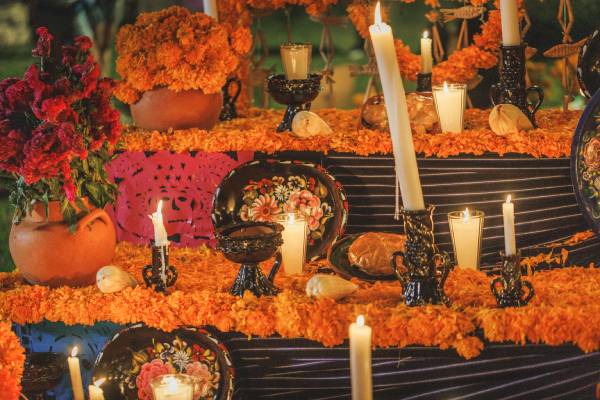
Recognized by UNESCO as Intangible Cultural Heritage of Humanity, this tradition brings together the festive and the intimate: streets are dressed in music, flowers, and joy, while homes welcome loved ones with altars and offerings. Among candles, photographs, pan de muerto, and marigold flowers, petals trace a luminous path that guides souls back to the altar, and to the hearts of those awaiting them.

November 1

Every November 1, Catholic tradition commemorates All Saints’ Day, a date dedicated to honoring the memory of those who passed away without being recognized as blessed or saints, as well as children who left this world at an early age. The following day, November 2, All Souls’ Day invites prayers for the souls that have not yet reached paradise. In Mexico, this celebration is experienced through a profound blend of love, faith, and remembrance: families visit their loved ones in cemeteries and prepare altars with food, candles, incense, photographs, and flowers to welcome them. It is believed that only during these days can souls return from the afterlife to reunite with those who keep them alive in their hearts.
The Offering

What is placed on a Day of the Dead altar?

A Day of the Dead altar brings together objects filled with meaning: some are part of tradition, while others belong to the story of those who have passed. Among its essential elements are candles, incense, salt, sugar skulls, pan de muerto, papel picado, and marigold flowers, each carrying a special symbolism. Photographs, favorite dishes the person enjoyed in life, a beverage, personal belongings, and, when the altar is dedicated to a child, toys or sweets that evoke their joy are also placed on the altar.

What is placed on a Day of the Dead altar?

Candles

They represent the light that guides souls on their journey back.

Marigolds

Their petals create the symbolic path that leads souls to the altar.

Papel Picado

It adds color and movement while representing the element of air.

Pan de Muerto

One of the season's most iconic traditions and a symbol of togetherness.

Sugar Skulls

They remind us of death through a joyful and festive perspective.

Personal Belongings

Photographs, favorite foods, and meaningful keepsakes that celebrate each person's life.

Festival Purpose

What Is the purpose of the Festival?

The Festival of Life and Death was created to honor and keep alive Mexico’s ancestral Day of the Dead traditions, sharing with the world the cultural richness that distinguishes our country. Through inherited customs, meaningful rituals, and contemporary artistic expressions, the festival celebrates one of Mexico’s most profound and emblematic traditions, preserving its essence for future generations.

What Is the purpose of the Festival?

Remembrance

Remembering is a way of keeping those who have passed close to our hearts.

The Journey

Petals, lights, and aromas symbolically prepare the way for the souls' return.

Celebration

Death is embraced through color, music, food, and shared moments together.

Festival of Life and Death

Experience This Tradition at Xcaret

Celebrate Day of the Dead with altars, music, theater, traditional cuisine, and cultural experiences.